Place
Coastal towers as fixed points in changing shorelines and routes.
About the historical record
These towers were never only engineering markers—they were living outposts shaped by weather, labor, and community memory, and their stories help explain how coastal life, navigation, and preservation became inseparable along the northern shore.
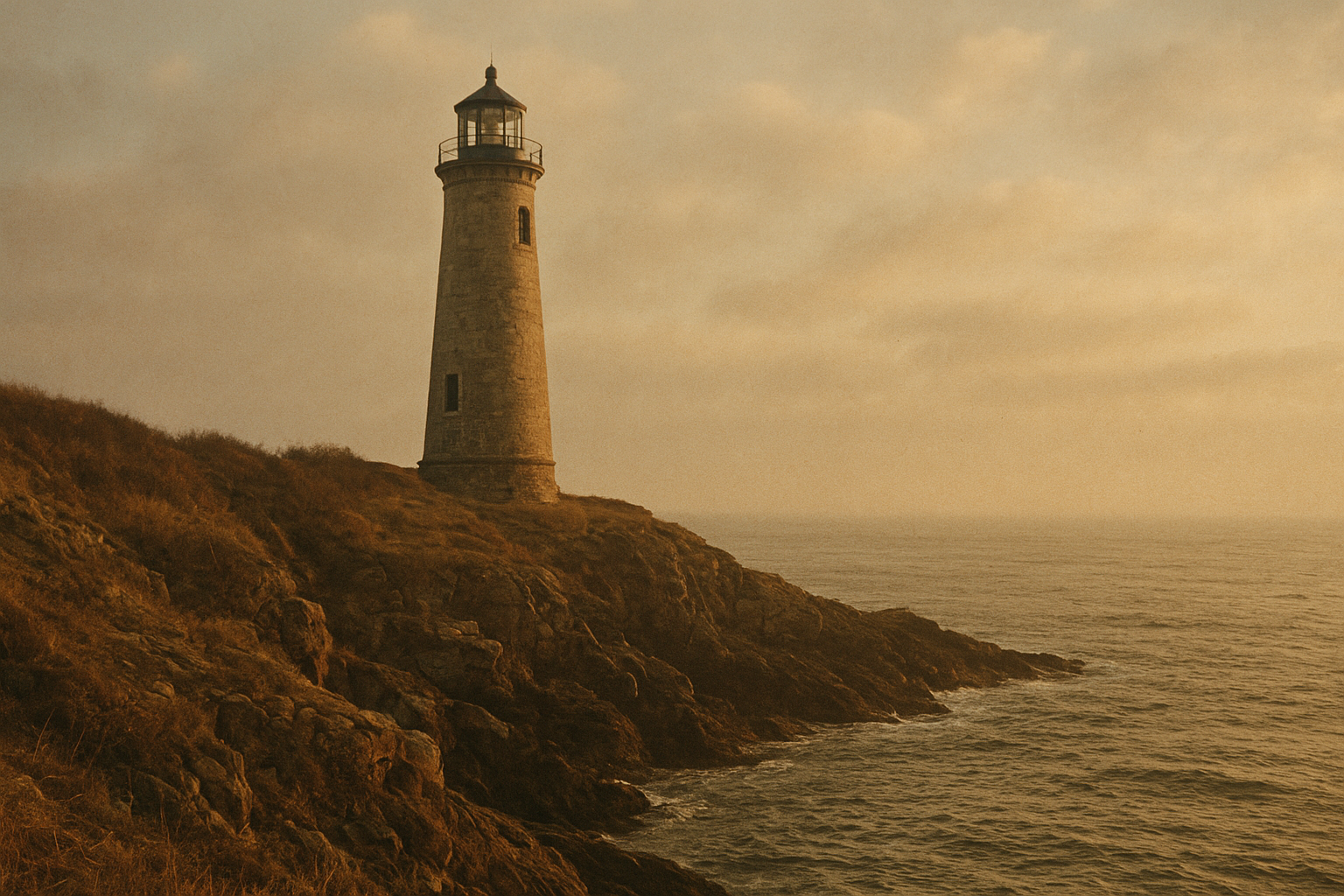
Place
Coastal towers as fixed points in changing shorelines and routes.
People
Keeper routines and families who sustained navigation in isolation.
Preservation
Documented restoration connecting past signal systems to present stewardship.
A concise chronology of how northern coast lighthouse culture evolved from practical signaling to shared public memory.
Era I
Fire baskets, hillside beacons, and church lights formed the first improvised warning system for dangerous northern approaches.
Era II
Engineered stone and cast-iron towers created a dependable chain of lights tied to expanding coastal trade routes.
Era III
Families kept strict watches in all weather, recording repairs, rescues, and daily routines that now anchor regional archives.
Era IV
Electronic systems reduced staffed stations, and many service buildings were closed, sold, or left vulnerable to weather.
Era V
Local societies, historians, and residents stabilized key towers and opened their stories to schools, researchers, and travelers.
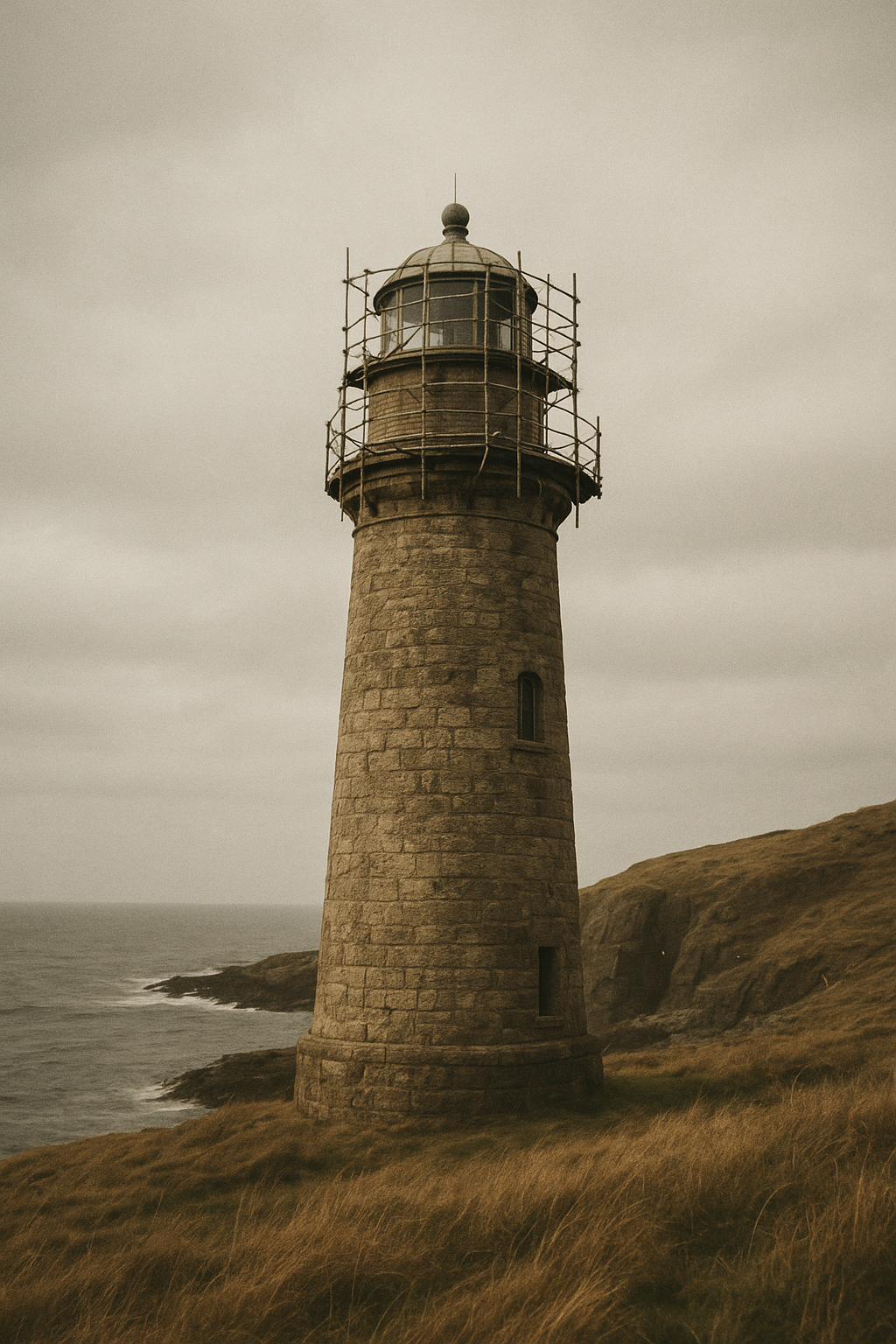
Preservation focus
The northern coast keeps only a small group of standing lights, and each one carries physical evidence of storms, repairs, and community stewardship that cannot be rebuilt once lost.